All Categories
Featured
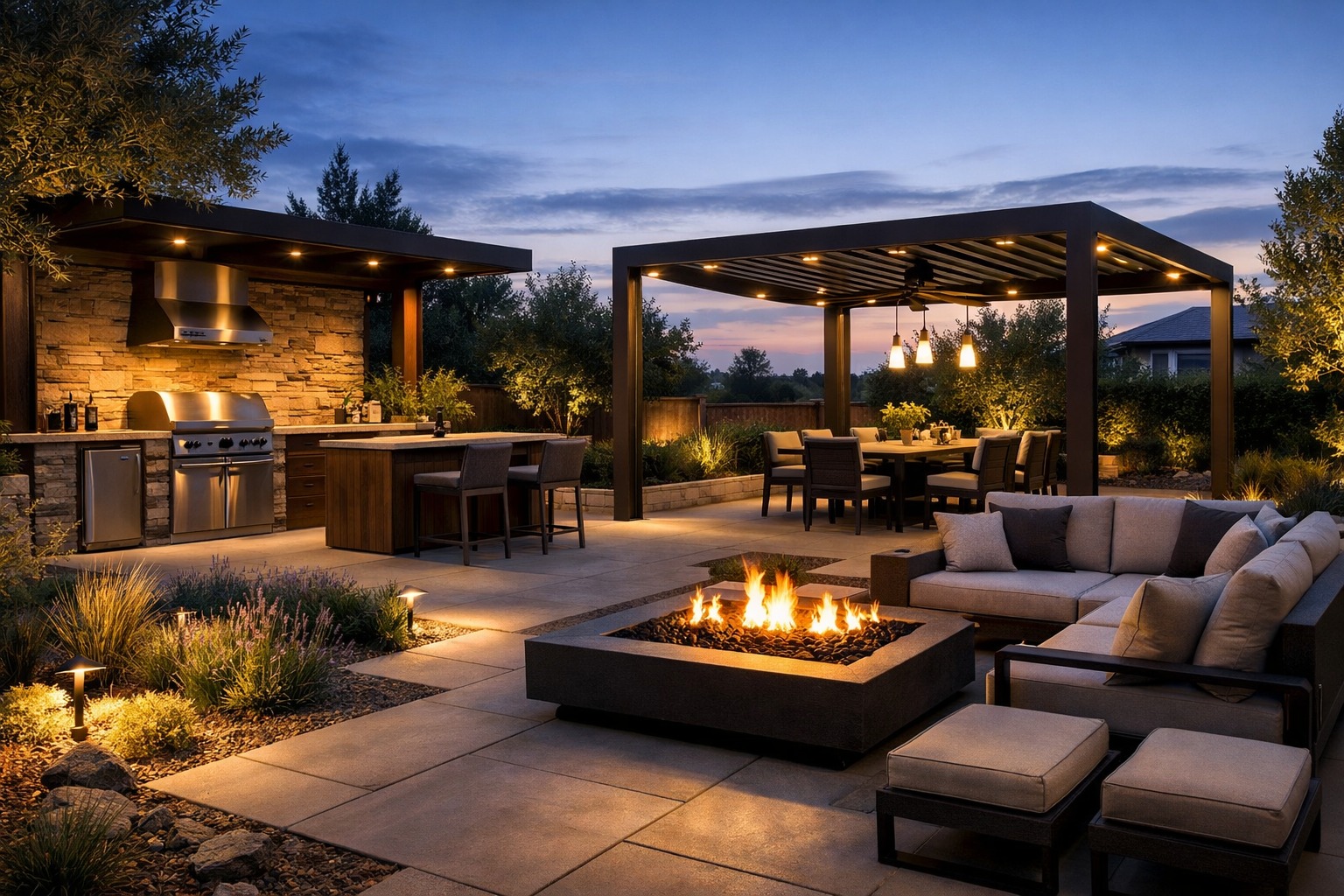

Integrating Organic Design Features Within Corporate Workspaces
Table of Contents
Tidy edges, green grass, and seasonal color rotations define a well-maintained home. Today's most successful industrial landscapes are no longer simply visual possessions. They manage stormwater, decrease upkeep expenses, improve renter experience, and even influence leasing choices.
New Landscape MaintenanceThe properties that adjust will see more powerful occupant retention, lower long-lasting expenses, and higher possession worth. One of the most essential patterns forming 2026 is the move towards performance-based landscape style.
Climate-resilient landscapes designed to stand up to drought, flooding, and extreme temperatures are ending up being the standard, not the exception. For residential or commercial property supervisors, this means reassessing traditional designs. Large turf areas, for example, are being minimized in favor of native plantings, ornamental yards, and groundcovers that require less water and fewer inputs. The result: landscapes that don't just survive, they carry out.
Sustainable landscaping practices are being implemented not just for ecological factors, but since they directly lower operating expenses and risk exposure. Key techniques getting traction include: Smart watering systems that adjust based upon weather condition and soil moisture Integrated pest management (IPM) to reduce chemical usage Carbon-conscious materials and energized devices Permeable surfaces and bioswales to handle stormwater These techniques lower water use, labor inputs, and long-lasting replacement expenses.
Building Contemporary Commercial Hardscapes to Improve ROI
What many residential or commercial property managers underestimate is how much these modifications impact long-term spending plans. A properly designed sustainable landscape can significantly decrease yearly maintenance irregularity, which is among the most significant pain points in portfolio management. In one commonly pointed out group of U.S. case studies, residential or commercial properties that executed low-impact development (COVER) techniques such as bioswales, minimized turf, and water-efficient systems, saw overall task expense savings ranging from 15% to 80%, mostly due to lowered infrastructure requirements and long-lasting upkeep inputs.
The key was a mix of removing high-input grass, creating for drainage instead of battling it, and utilizing systems that react to genuine conditions. Landscapes are now being constructed as functional, high-performing environments. Business properties integrate outside areas that serve numerous functions. This consists of break locations, cooperation zones, walking courses, wellness spaces, outside conference locations, and quiet, remote seating.
Areas that combine functionality, personal privacy, and aesthetic appeal are on the rise. This consists of shaded seating areas surrounded by thick plantings for sound reduction, natural separation in between areas utilizing plant material and layout, and thoughtful plant choices that offer both visual interest and environmental benefits. Carefully connected to this trend is a growing concentrate on physical comfort.
New Landscape MaintenanceCommercial Erosion Control Solutions to Support Large-Scale Landscapes
Another shift taking place is towards landscapes that lower issues instead of needing consistent intervention. Rather of reactive pest control and regular treatments, homes are leaning into: Biodiverse plantings that draw in beneficial pests Native species that are naturally resistant to local pests Airflow-conscious designs that minimize disease pressure Plants that drive away mosquitoes and bugs Natural landscaping approaches can substantially lower pesticide use while improving plant health and longevity.
While functionality is taking center phase, looks still matter. Particularly impressions. In 2026, color patterns are moving toward natural, soothing, and inviting schemes, including: Earth tones (deep greens, warm browns, soft golds) Soft, faded florals (dusty pinks, pale peach, subtle purples) Silver and blue-green foliage for cooling visual effects These tones are intentionally chosen to produce a sense of calm and convenience, aligning with the more comprehensive trend of landscapes as health areas.
For business homes, this translates to a more modern-day, upscale appearance, without the high upkeep burden. Among the most underappreciated patterns in 2026 is the integration of clever innovation into landscape operations, and it's quickly altering how homes are managed day to day. Residential or commercial property supervisors are starting to treat landscaping more like other building systems by leveraging tools such as soil moisture sensing units, weather-integrated watering, digital service tracking, and predictive maintenance preparation.
Maximizing Commercial Asset Value Through Landscape Enhancement
Watering only when required, flagging concerns before they end up being costly problems, and documenting every service for complete presence. Wise irrigation systems alone have been revealed to decrease outdoor water use by 20-50%, depending on the residential or commercial property and environment. The outcome is tighter control over spending plans, fewer surprises, and more foreseeable yearly spending.

Table of Contents
Latest Posts
Integrating Organic Design Features Within Corporate Workspaces
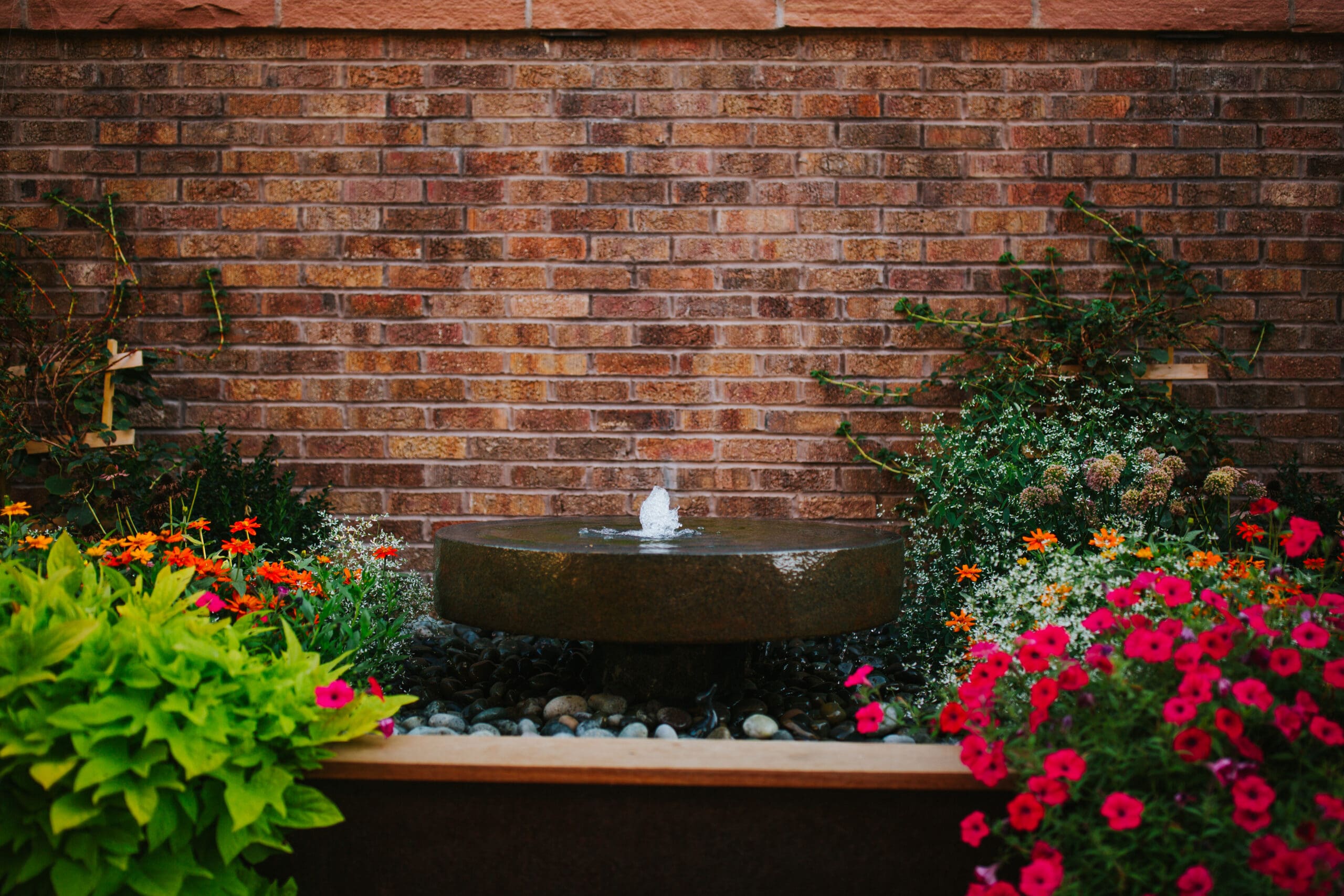
Thriving in Drought: How Commercial Outdoor Lighting Design And Installation Succeed

Commercial Soil Management Strategies
Latest Posts
Integrating Organic Design Features Within Corporate Workspaces
Thriving in Drought: How Commercial Outdoor Lighting Design And Installation Succeed
Commercial Soil Management Strategies